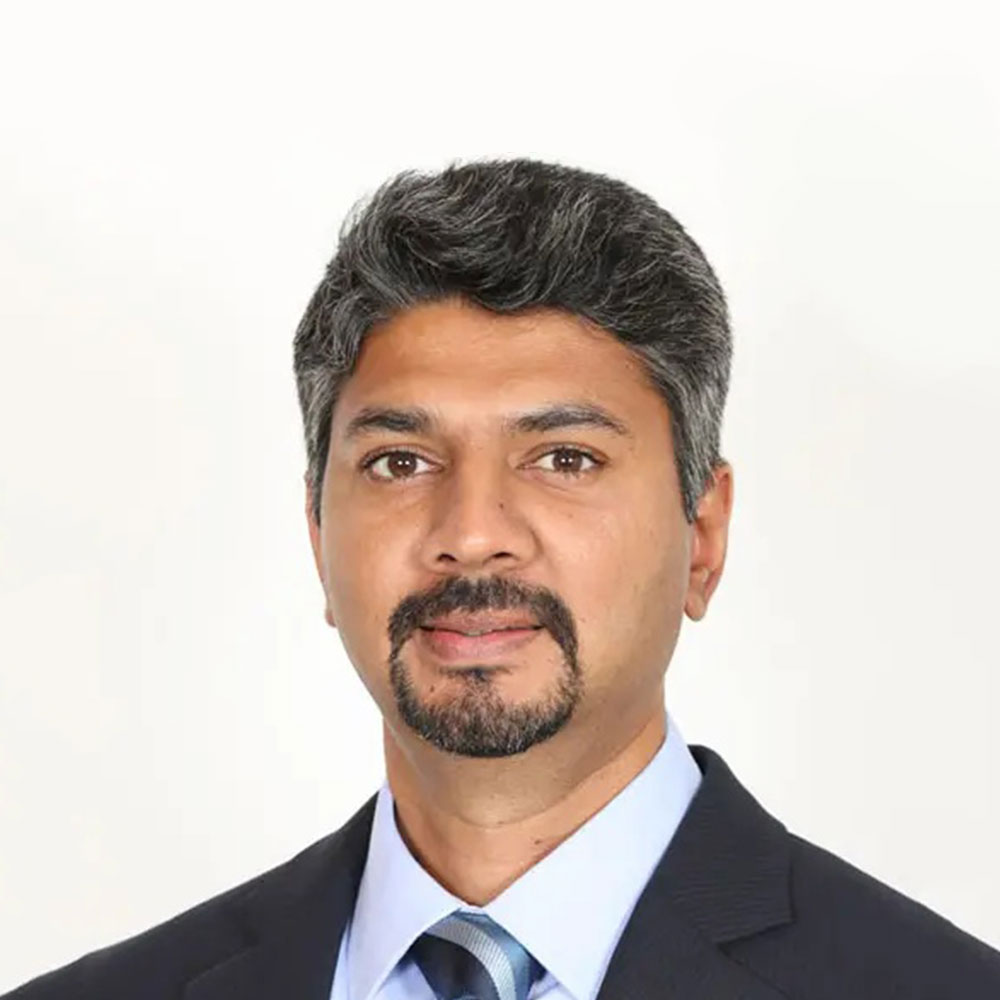
Mr. Venugopal Manghat

Mr. Venugopal Manghat

Chief Investment Officer - Equity, HSBC Mutual Fund.

Venugopal Manghat is the Chief Investment Officer (CIO) - Equity of HSBC Mutual Fund. Venugopal was previously Head - Equity Investments, L&T Investment Management Limited from May 2016 to Nov 2022 and was Co-Head - Equity Investments, L&T Investment Management Limited from Apr 2012 - Apr 2016. Prior to 2012, he was Co-Head - Equities, Tata Asset Management Limited, India from 1995 - 2012. His educational qualification is MBA Finance, B.SC.

Please note we have published the answers as it is received from the Fund Manager of Edelweiss Mutual Fund.

Q1. Recent geopolitical tensions in the Middle East have once again raised concerns around global market volatility. From the perspective of Indian equities, do such events generally result in only short-term market disruptions, or can they have any lasting implications for the long-term outlook of the Indian economy and markets?

Ans:1 Indian markets have historically "climbed the wall of worry" through a wide range of internal and external concerns such as wars, commodity spikes, tech bubble, Global Financial Crisis, and Covid. Such events often result in market corrections in the near term, but markets recover as fundamentals reassert themselves.

Importantly, periods like these tend to separate the 'wheat from the chaff'. High-quality companies, i.e., those with strong balance sheets, disciplined capital allocation, resilient business models, and credible management teams, often use volatility to consolidate market share, strengthen stakeholder relationships, and emerge in a better competitive position once conditions normalise.

From a longer-term perspective, we believe India is better placed today to absorb external shocks than it was in prior cycles. Over the past decade-plus, a series of reforms and institutional strengthening across sectors has helped build a more durable foundation.

So, while near-term market moves can be sharp and sentiment-driven, we don't see such episodes, by themselves, changing the long-term trajectory of the Indian economy or the structural trend in equities.

Q2. After a prolonged phase of FII outflows, February witnessed the highest foreign inflows into Indian equities in nearly 17 months. Do you believe this signals a more sustained improvement in global investor sentiment toward India, or could such inflows remain intermittent in the near term?

Ans:2 Foreign investor positioning in India is typically driven by a combination of India-specific fundamentals and the broader global/emerging market opportunity set.

A key reason India saw meaningful outflows over the past year was the global concentration of returns in the AI theme. Markets such as US, Taiwan, Korea and parts of China have a larger share of direct AI beneficiaries, whereas India has fewer "pure-play" AI winners in the listed space. Currency dynamics also mattered. At the same time, India's earnings growth expectations softened versus its long-term trend.

Looking ahead, consensus expects earnings to re-accelerate to mid-teens growth in FY27E from single-digit growth over past two years. Valuations have also become more reasonable with India's valuation premium to MSCI EM moderating closer to long-term averages. Finally, FII positioning is light with India's active weight relative to the EM index near multi-decade lows. All these can create durable improvement in positioning with strong incremental inflows.

Net-net, while February's strong inflows are encouraging, we'd expect the near-term pattern to remain somewhat stop-start, with flows reacting to global risk appetite, geopolitics, US dollar, and relative performance across markets. We expect FII positioning to improve over the medium term.

Q3. The IT sector has witnessed a sharp correction recently, with the index declining by nearly 20%, partly driven by concerns around evolving technologies such as artificial intelligence and their potential impact on traditional IT services. From a long-term perspective, how do you evaluate these developments and the future growth prospects of the Indian IT sector?

Ans:3 The recent correction in Indian IT has been sharp with >20% drawdown during YTD2026.

From a top-down lens, the sector is facing genuine headwinds as AI systems become more capable moving from "assistive" tools to autonomous agents. This uncertainty is likely to stay elevated over the next few quarters as technology and adoption curve evolves quickly. However, the bottom-up picture is more balanced. Many IT companies delivered in-line to better-than-expected 3QFY26 results, with healthy deal wins and management commentary that remains broadly constructive.

Over the medium term, we see AI as both a disruptor and a growth driver. On one hand, it can compress some legacy work through automation and productivity gains. On the other, it can expand the addressable market as enterprises push into "agentification" (embedding AI agents across workflows). Though valuations have reset closer to long-term multiples, in the near term, continued developments in Agentic AI could keep sentiment and valuations subdued.

Ultimately, the key long-term question is whether AI meaningfully lowers the sector's terminal growth rate and if so, by how much. The answer to that, relative to the valuation investors are paying today, will determine whether this correction proves to be a temporary derating or a more lasting reset.

Q4. The recent regulatory changes introduced by SEBI allow equity schemes to allocate a limited portion of assets to commodities such as gold and silver through ETFs. How do you view this flexibility from a portfolio construction perspective, and do you see it meaningfully influencing diversification within equity-oriented funds?

Ans:4 SEBI's recent move to allow equity mutual funds greater flexibility permitting allocation of up to 35% to instruments such as gold and silver (via ETFs), as well as InvITs and debt broadly expands the options available to fund managers. This gives managers additional levers to manage liquidity, drawdowns and diversification, particularly during periods when equity risk premium increases.

That said, in our view, the most important principle is that an equity scheme should remain true to its stated mandate and investor expectations. For example, a small-cap fund is typically chosen to participate in India's growth story through smaller companies that can scale over time. If such a fund were to meaningfully increase exposure to gold or debt, it could dilute the very equity participation investors signed up for.

As a fund house, we maintain cash primarily to meet redemption needs and don't take large active cash calls. Similarly, while a small allocation to gold/silver ETFs or other permitted instruments can provide incremental diversification, it's unlikely in our funds to become a meaningful portion of equity portfolios.

Overall, the change is a positive, but whether it materially changes diversification within equity schemes will depend on each fund's philosophy.

Q5. Markets periodically witness events that can trigger short-term volatility. Given that such events are a recurring feature of markets, how should investors approach these phases so that they view them as opportunities rather than panic and remain focused on long-term wealth building?

Ans:5 Over the past four decades, two things have remained remarkably constant - Equities have been volatile in the short term, and they've tended to outperform most other asset classes over the long term. In the short run, every volatile event feels different and permanent, however, most have been temporary within a longer compounding journey.

The most practical way for investors to turn volatility into opportunity is to shift towards a process-oriented approach to equity investing rather than reacting to daily news flow. Use systematic investing through SIPs/ STPs and staggered deployment to help manage volatility. During such volatile periods, strong businesses with resilient balance sheets and cash flows tend to recover faster and compound better. Investors should maintain adequate liquidity so that short-term market moves don't result in forced selling and become permanent losses.

Empirical evidence suggests that some of the best long-term returns are earned by investing when sentiment is weakest. To conclude, volatility creates uncomfortable moments, but it also creates better entry points for long-term wealth building.

Q6. It is often observed that investors gravitate toward schemes that have delivered strong recent performance and may even switch funds based on short-term rankings. In your view, how should investors approach fund selection and avoid the common behavioural trap of chasing past performance?

Ans:6 Styles, sectors and market caps rotate as macro conditions change. So what worked for a fund in one phase may not work in the next. A fund that tops the charts in a momentum-led rally may lag when leadership shifts to value, quality, or defensives. If investors focus on only one element (typically recent returns) and switch schemes based on short-term rankings, the outcome is often sub-optimal.

A better approach is to evaluate whether a fund's investment philosophy and process fits the investor's needs. Practically, investors should look at:

Consistency across market cycles, rather than just short-term returns

Risk-adjusted performance and not only absolute performance

Portfolio construction discipline (diversification, concentration, turnover)

Fund house and portfolio manager process (stability in investment approach)

Costs and tax efficiency

In short, investors are better served by choosing funds with a clear, well-executed process aligned to their needs and then giving that process time to work rather than switching based on recent rankings.

Source: Internal Research

Mutual fund investments are subject to market risks, read all scheme-related documents carefully.

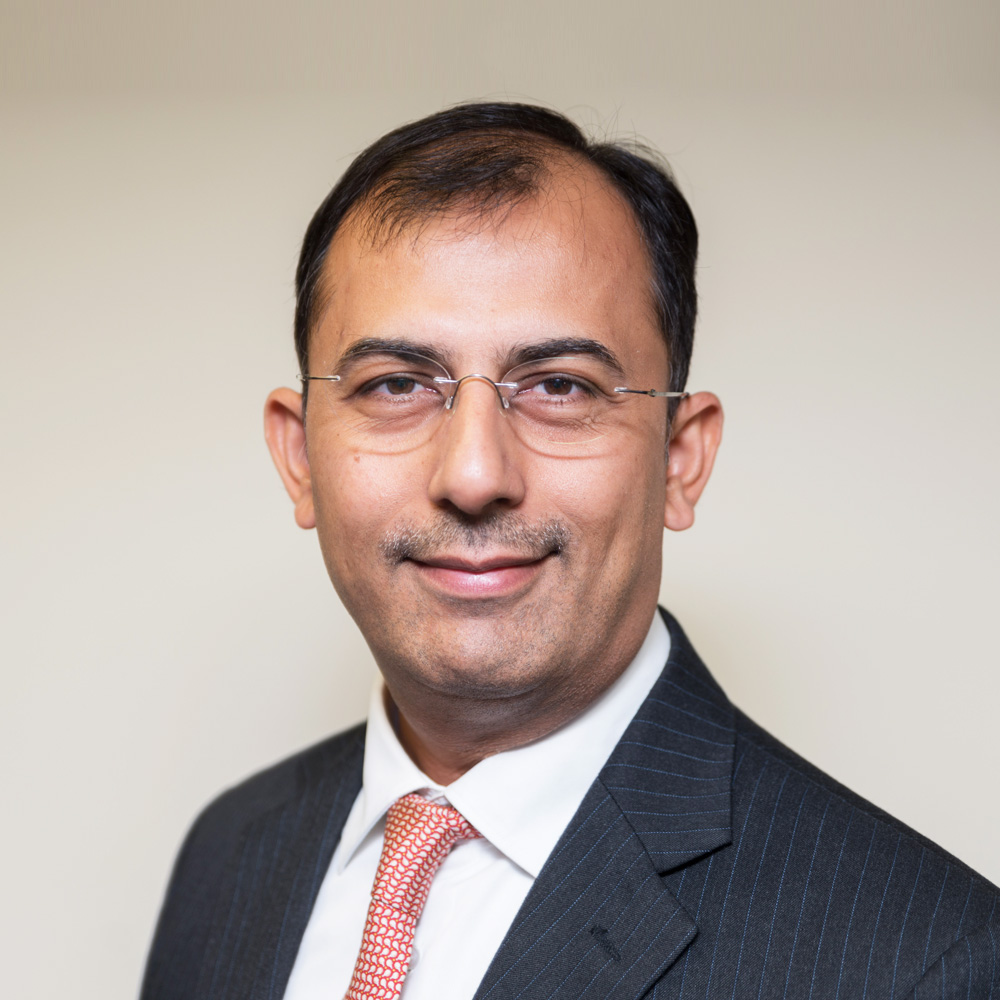
Mr. Shriram R.

Mr. Shriram R.

Chief Investment Officer - Fixed Income, HSBC Mutual Fund.

Mr. Shriram R.,CIO - Fixed Income, overseeing the management of about INR40,000cr (~USD 8bn), in assets across various Fixed income and Hybrid funds (INR only). He has been in the Asset Management business since 2001 and has over 22 years of experience in fixed income markets. Prior to joining HSBC Asset Management, he was Head of Fixed Income at L&T Investment Management Limited (2012-2022). From 2010-2012, he was Portfolio Manager at Fidelity (FIL) Fund Management managing their India domiciled INR FI funds. From 2005-2009, Shriram was based in Hong Kong at ING Investment Management Asia Pacific, where he managed multi currency portfolios as Senior portfolio Manager, Global EMD (Asia) - co-managing the Asian portion of Emerging Market Debt funds, with focus on sovereign HC and LC rates/ FX, as well as pure Asia local currency funds / mandates. His earlier assignments were with ING Investment Management India as Fixed Income Fund Manager, Zurich Asset Management Company in fixed income research and with the Treasury department of ICICI Ltd, where he started his career in investments in 2000. Shriram is a Chartered Financial Analyst and holds a Post Graduate Diploma in Business Management from XLRI Jamshedpur and an Engineering degree from the University of Mumbai.

Please note we have published the answers as it is received from the Fund Manager of Edelweiss Mutual Fund.

Q1. Debt is considered an important component of asset allocation. From a long-term portfolio perspective, how should investors think about the role of debt funds in balancing risk and stability within their overall investment strategy?

Ans:1 Debt funds play an important role in any investor's portfolio asset allocation. They tend to be relatively less volatile and may have the ability to generate potential returns depending on debt funds have acted as an alternate for the traditional FDs. volatility. Depending on the investor's risk taking ability, need for liquidity and investment time horizon, volatility range of debt funds of

varying risk - return profile from which to choose from.

Q2. Global interest-rate movements, particularly those of the US Federal Reserve, often influence capital flows and bond yields across emerging markets. How do you assess the potential impact of global monetary policy developments on the Indian fixed-income market?

Ans:2 Global monetary policy-especially the Fed-affects Indian fixed income mainly through US Treasury yields and global risk premia, which influence the level and shape of the G-sec and swap curves, and through capital flows into EM debt. Hence, a more hawkish global backdrop tends to tighten financial conditions via higher term premia, weaker risk appetite and a firmer USD. This eventually can increase INR hedging costs and also add to FX volatility. For rates market, it can push yields higher. The recent geopolitical developments have trickled down to rates - FX and interest rate channels - as the concerns around energy-led inflation pressures could imply delayed or no rate cuts by the US Fed, which was not the case until before the West Asia war.

Having said that, the surge in yields in EM's incl. India has been far lower than that observed in the AE's - as EM's fiscal, debt and inflation indicators are better placed than many AE's. Hence, even as the nominal interest rate differentials are lower, narrower than the past, the real differentials are still better. Therefore, even as the global policy tightens, esp. of the US Fed, the implications on Indian debt markets is likely to be contained; benefiting from strong macro fundamentals such as that of near-target inflation, continued fiscal consolidation and decent growth momentum. The duration of the Middle East crisis could turn out to be a spanner in the wheel as uncertainty leads to higher risk premia, globally. As a net energy importer, we could see spillover effects through the FX channel which could then permeate into external, inflation and fiscal risks. At this juncture, inflation and fiscal risks are still contained with external sector far more exposed.

Q3. India's corporate bond market has been gradually evolving, with increasing participation from institutional investors and improving regulatory frameworks. How do you see the development of the corporate bond market shaping opportunities for debt mutual funds over the long term?

Ans:3 Corporate Bond market has been gradually evolving over the years. Various reforms by SEBI, CCIL and RBI which include online Government securities and bond platforms, RFQ trading, and tri-party repos, have boosted liquidity. Corporate issuances hit record highs in FY25, fueled by RBI rate cuts and infrastructure needs, with projections to exceed ₹100-120 trillion by 2030. Outstanding bonds grew at a 12% CAGR over the past decade, rivaling bank credit mobilization. With the continued awareness of the bond market and proper categorization of the debt funds (as per the investment horizon of an investor), debt funds have acted as an alternate for the traditional products. With more participation from the institutional and retail investor, bond market has become more liquid thus reducing the liquidity risk.

Q4. In a credit market where external ratings may lag real developments, what does your in-house credit evaluation framework look like - and how do you assess a company's true debt-servicing ability?

Ans:4 We have our own internal rating framework/scale and limits for long- term (AAA to BBB) and short-term instruments (ST1 highest to ST5 lowest), driven primarily by standalone credit strength. The assessment centers on long-term debt-servicing capacity, factoring in business cyclicality (where relevant) and foreseeable events that may drive material cash outflows/inflows (e.g., M&A, capex). Our structured rating review covers business and financial fundamentals, forecasts and stress tests, promoter track record, mutual fund exposure, rating sensitivities, rating history, and discussions with management and rating agencies-supported by internal governance and sanctions screening.

Following unexpected negative events, the first priority is to evaluate liquidity, funding buffers, and financial flexibility available with the issuer to absorb short-term stress before making internal rating changes. Where risks are severe and persistent, the rating is immediately moved to sell or are placed on hold and incremental investments are paused until the hold is lifted. When warranted, internal ratings are upgraded or downgraded promptly, without waiting for external rating actions, to provide timely investment guidance to the trading desk. Ongoing monitoring is maintained through quarterly results, early warning indicators, external rating updates, and other material developments.

Q5. Given the wide range of debt fund categories available today, how should investors align their investment horizon and risk tolerance with the appropriate type of debt fund?

Ans:5 Investors should align their investment horizon according to their risk-taking ability and also the duration of the investment. For all the debt funds, risk matrix has been defined by SEBI which considers credit risk and interest rate risk. Risk averse investors should look for debt funds which invest in high rated securities and also lower maturity thus less sensitivity for interest rate risk. Given that we are close to the bottom of interest rate cycle, we believe it would be better for investors to keep duration risks low for the next 6-12 months.

Q6. SEBI has recently introduced sectoral debt funds. How do you interpret the role of this category within a fixed income portfolio, and what type of investors should ideally consider such strategies?

Ans:6 Sectoral debt funds (as a SEBI category) are best seen as a 'satellite' allocation within fixed income-not a core holding. They concentrate credit exposure in sector 1-2 (e.g., Financial Services, Energy, Infrastructure, Housing, Real Estate), so the portfolio's outcome is driven less by broad rate moves and more by sector-specific credit cycles, regulation, liquidity, and refinancing conditions. Investors who are having a basic understanding of the sector's business model, can tolerate sector concentration risk, and are using it as a satellite allocation through such concentrated products.

Source: Bloomberg, HSBC Mutual Fund, Latest available data as on 18 March 2026 unless otherwise mentioned

Past performance may or may not be sustained in future and is not a guarantee of any future returns.

Mutual Fund investments are subject to market risks, read all scheme related documents carefully.
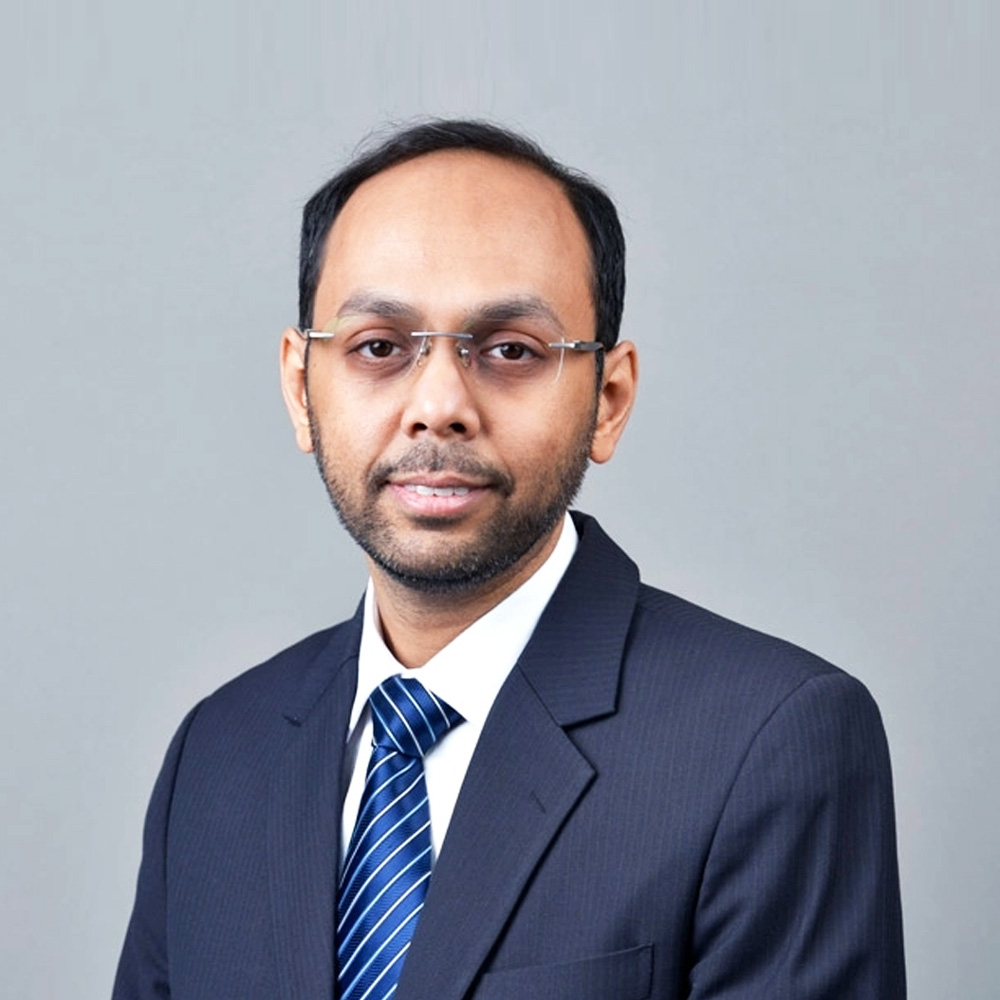
Mr. Dhawal Dalal

Mr. Dhawal Dalal

President & Chief Investment Officer - Fixed Income, Edelweiss Mutual Fund.

Mr. Dhawal Dalal has 20 years of experience and an MBA from University of Dallas (USA). Mr. Dhawal has joined Edelweiss Asset Management Limited in the year 2016. He is responsible for the overall growth of fixed income assets through a healthy mix of retail and institutional clients. Before joining Edelweiss Asset Management Limited, he was the head of Fixed Income at DSP Black Rock Investment Managers Private Limited and led a team of Fund Managers managing fixed income assets. His role there was to expedite overall growth of fixed income assets, performance and client interactions.

When not occupied with work, he loves reading on emerging trends in the global markets, geo-political developments and books on behavioral trends. He’s also a movie buff and never misses a chance to watch a blockbuster with his near and dear ones. A humble and learned person, he strongly believes that every individual should have a sense of purpose in life!

Please note we have published the answers as it is received from the Fund Manager of Edelweiss Mutual Fund.

Q1. With a change in leadership at the US Federal Reserve expected around, how should global and Indian debt market investors think about continuity versus change in policy approach and market expectations?

Ans: Global financial markets are keenly awaiting the potential change in the thought process from the new Fed chair on their stance on inflation and the trade-off between AI-led productivity gains (which can lower inflation) and recent tariffs-led price gains (which may not have been fully passed through). The current Fed is perceived to be extra cautious on tariff-led uncertainties. If the new Fed chair can drive consensus on inflation trajectory to be lower, then Fed will be able to cut rates more aggressively. This will be bullish for global financial markets including Indian bond markets, in our view.

Q2. With the rupee experiencing phases of depreciation, how should debt mutual fund investors understand its impact on interest rates, inflation expectations, and fixed-income portfolio positioning?

Ans: INR’s recent depreciation is mainly due to FPI outflows and not due to any macroeconomic event. That said, the INR’s depreciation will have mild effect on our import basket amid the recent fall in crude oil while it will have a positive impact on our exports. As a result, the FY26 CAD is expected to be ~1% of the GDP, which will be within the tolerance zone even as the BoP will be in slight deficit for the second consecutive year. Overall, the recent move in the INR appears to be growth-supportive in our view and will not have any material negative impact on India’s growth-inflation dynamic, in our view.

Bond investors should, therefore, take advantage of the recent increase in bond yields in 2- to 3-year segment and lock in attractive rates with the investment horizon of at least one year as we expect the RBI to keep policy rates at current levels in CY2026.

Q3. With India’s inflation remaining well below the RBI’s medium-term target for an extended period, how should investors interpret this phase?

Ans: The recent decline in headline inflation in India has two main drivers – cyclical and structural. Cyclical drivers include above average monsoon for three years, lower crude oil prices and benign weather conditions. Together, they have contributed to lower food and energy prices which form the bulk of our inflation basket. Structural drivers include declining trend in nominal GDP growth, improvement in logistics, storage & transportation and maturing consumption patterns.

Taking all these together, we believe that India’s headline inflation is likely to experience lesser volatility as compared to the past and will likely remain in a range of 2% to 5% going forward.

Lower average inflation is relatively good for the investor in general as aggregate savings rate may improve.

Q4. Given that the FY27 fiscal deficit target is marginally lower, but gross market borrowings remain high, how do you see the net impact on long-term bond yields?

Ans: While FY27 gross borrowing is higher, the net borrowing is comparable to FY26 net borrowing. We believe that the bond market will have to reconcile this difference going forward as IGB maturities will rise every year going forward.

That said, we expect GOI’s debt to GDP ratio to gradually trend lower towards 50% by FY31 as highlighted in the new framework in the Union Budget. A lower government borrowing is always good news for the bond market. A declining trend in the government borrowing, overall improvement in fiscal health and strong & sustained economic growth in the next five years should lead to a gradual decline in bond yields barring any unexpected event risk, in our view.

Q5. Following the recent Union Budget’s increase in STT on F&O transactions, there has been discussion around its potential impact on arbitrage fund strategies. How do you assess this change, and what should investors understand about its implications for arbitrage funds?

Ans: Assuming there is no revision in the Budget proposal of revision in STT on F&O transactions, we expect a mild impact of ~30 bp on the annualized returns of arbitrage funds.

We believe that risk-reward ratio is still in favor of the investors of arbitrage funds on tax-adjusted basis as compared to other investment opportunities in the current market conditions.

Q6. What is your in-house credit research process? How do you assess a company's ability to pay, beyond just relying on external credit ratings?

Ans: Our credit assessment framework is based on multiple drivers such as analysis of key macro-economic factors, analysis of the sector followed by the analysis of the borrower.

Analysis of the macro-economic factors include analysis of the current fiscal landscape, monetary policy landscape, overall credit environment, current regulatory landscape, analysis of the banking system and overall term structure of rates

Our sector analysis includes the fiscal health of the sector, recent profitability trends, analysis of the dominant player & his pricing power, regulatory landscape pertaining to the sector, capacity utilization etc.

Analysis of the borrower includes deep dive into financial health, profitability trends, free cash flow, borrowing trends, quality of the leadership, their reputation and their business acumen, shareholding structure, trend in the market cap etc.

A thorough analysis of these factors provides us with a good understanding of the credit and the drivers of their underlying credit rating. We also continuously monitor the diversification of bond holders, recent trends in credit spreads, secondary market liquidity in bonds of the underlying credit and any material development either at the sector level or at the borrower level.

Source: Internal Research
Mutual fund investments are subject to market risks, read all scheme-related documents carefully.

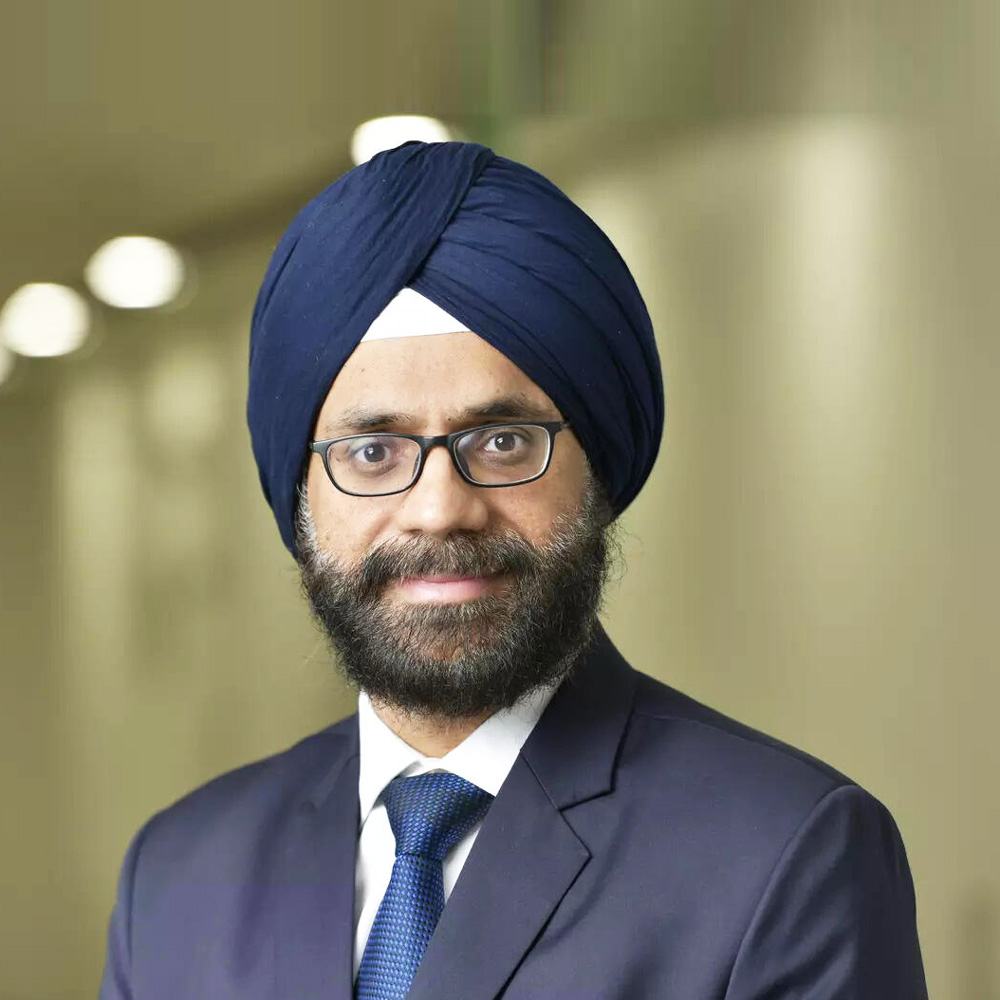
Mr. Trideep Bhattacharya

Mr. Trideep Bhattacharya

CFA, President & Chief Investment Officer - Equity, Edelweiss Mutual Fund

Mr. Trideep Bhattacharya has a PGDBM in Finance from SP Jain Institute of Management & Research, Mumbai, a CFA charter holder and a B.Tech degree in Electrical Engineering from IIT Kharagpur. Mr. Trideep brings with him over two decades of experience in equity investing across Indian and global markets. Prior to joining Edelweiss AMC, he played a key role in building a market-leading PMS business at Axis Asset Management Company, where he served as Senior Portfolio Manager – Alternate Equities. He has also worked with reputed global institutions like State Street Global Advisors and UBS Global Asset Management in London, UK. Mr. Trideep is also a member of the Capital Markets Policy Council, a distinguished body instituted by the CFA Institute to guide its advocacy team on current and emerging policy issues impacting global capital markets. When not immersed in market trends and investment strategies, Mr. Trideep enjoys playing tennis, bridge, and experimenting with musical instruments.

Please note we have published the answers as it is received from the Fund Manager of Edelweiss Mutual Fund.

Q1. With India strengthening its global trade position through deeper engagement with the EU and a potentially more favourable tariff environment with the US, how do you assess the long-term impact of these developments on Indian equities and corporate competitiveness?

Ans: The recently concluded FTAs, along with the lowering of tariffs on exports to the US, augur well for Indian corporate earnings, as sectors such as textiles, pharmaceuticals, chemicals, aviation, and auto components stand to benefit from improved export opportunities. As India becomes more competitive relative to its peers, we expect a compression of the external risk premium, which in turn is likely to enhance foreign investor appetite and further improve the equity outlook.

Q2. There have been discussions around intermittent FII outflows from India, often attributed to factors such as currency movements, relative growth triggers, and tax considerations. How do you assess these concerns, and what could emerge as the next key triggers for renewed FII interest in Indian equities?

Ans: The recent FII outflows reflect a slowdown in India’s corporate earnings, driven by elections, higher interest rates, fiscal prudence, and prolonged monsoons. This coincided with near-term investment opportunities in the US (higher interest rates), Brazil (higher commodity prices), South Korea (an improved outlook for defence and electrical equipment), and China (favourable valuations).

However, over the medium to long term, India’s GDP growth outlook remains structurally strong. With a revival in corporate profitability and a tariff reset, we expect revival in FII interest going forward.

Q3. While large-cap equities have seen a relatively stronger recovery, mid- and small-cap segments have lagged. Do you believe valuations in the broader market still warrant caution, or are selective opportunities beginning to emerge as we look ahead?

Ans: Despite the time correction, Indian markets continue to trade above historical averages. However, with the expected improvement in corporate profits driven by a tariff reset, FTAs, and lower interest rates, we expect earnings to catch up with valuations going forward.

While the valuation premium to emerging markets remains elevated, it has corrected meaningfully over the past two years. This provides an opportunity for FIIs, whose current ownership in Indian equities stands below historical norms. Mid-caps offer the best risk-reward play, while small caps require a selective, bottom-up approach.

Q4. Multi-asset allocation funds have seen strong inflows over the past year. Do you believe this is largely driven by the recent performance of commodities within these portfolios, or does it reflect a deeper, structural shift in investor thinking around risk–return balance and diversification?

Ans: Recent inflows into multi-asset allocation funds have been driven by the recent performance of commodities and further amplified by the underperformance of Indian equities. However, we believe that, over the long term, equities provide better risk-adjusted and sustained returns. Commodity cycles remain volatile and relatively less predictable.

While multi-asset allocation funds do offer a balanced risk-return profile and diversification over the long term, sustained investor interest remains a function of the commodity cycle.

Q5. In equity mutual fund investing, periods of temporary underperformance are inevitable. How should investors evaluate such phases, and what role does patience play in achieving long-term outcomes?

Ans: The foundation of long-term wealth building lies in belief in the power of compounding, discipline in systematic investing, and the conviction that equities provide better long-term, risk- and inflation-adjusted returns. One’s conviction is often tested during periods of underperformance and sharp market declines.

History suggests that such periods present an opportune time to accumulate, given favourable valuations. Hence, patience remains the most important virtue in equity investing and long-term wealth building.

Q6. If SIPs are meant to counter behavioral biases in mutual fund investing, what single habit should investors adopt in the new year to improve long-term outcomes?

Ans: In the world of social media and influencers, investors are often swayed by advice that is either poorly timed or driven by malafide intent. Additionally, apps that provide real-time portfolio updates can amplify fear and trigger behavioral biases.

While it is difficult to completely avoid such influences, investors should remain focused on their long-term needs. Investors should align their return objectives with risk tolerance after discussion with their advisors.

Source: Internal Research
Mutual fund investments are subject to market risks, read all scheme-related documents carefully.

Mr. Alok Singh

Mr. Alok Singh

Chief Investment Officer - Fixed Income, Bank of India Mutual Fund.

Mr. Alok Singh is a Postgraduate in Business Administration from ICFAI Business School and a CFA with over 24 years of experience in Fund Management. He has a wealth of experience and impressive track record in fund management both for residents as well as for overseas investors. In the past, Alok has won numerous awards for stellar fund performance during his career span. Alok heads the overall Equity & Fixed Income Investment Operations for Bank of India Investment Managers as Chief Investment Officer. Alok’s remarkable achievement includes growing the company’s Assets Under Management from ₹100 crore to approximately ₹12,000 crore since his joining in April 2012.

Please note we have published the answers as it is received from the Fund Manager of Bank of India Mutual Fund.

Q1. The US Federal Reserve has signaled a data-dependent stance despite recent rate cuts. Given this cautious approach, do you see the risk of Fed policy surprises impacting global bond markets, and how are you factoring this uncertainty into your Indian debt positioning?

Answer: We believe that while the US Federal Reserve has adopted a data-dependent approach to assess the need for further rate cuts, the scope for policy surprises appears limited. The US economy is already facing its own growth challenges, which the Fed is likely to support through accommodative measures. This backdrop should continue to encourage the Reserve Bank of India to maintain a growth-supportive stance, provided inflation remains benign.

Q2. With the yen near historic lows and carry-trade risks rising, how could a sudden unwind impact Indian debt markets, FX volatility, and investor flows?

Answer: We see minimal risk of any significant impact from changes in yen carry trade on Indian debt markets. This is primarily because the majority of Indian debt is held domestically, with only a small fraction owned by foreign investors. Even within that limited foreign exposure, the inclusion of Indian bonds in global bond indices is expected to broaden the investor base and enhance stability, rather than trigger large outflows. However, a very high FX volatility may force RBI to harden the interest rate, though currently that situation has very low probability.

Q3. With the rupee hitting new lows against the dollar, how are you managing currency risk in your debt portfolio, particularly for overseas or hedged instruments?

Answer: We currently don’t have overseas exposure in the debt portfolio hence there is no direct risk.

Q4. With higher LCR buffers becoming effective from April 2026, what implications do you foresee for the demand–supply dynamics at the front end of the G-Sec curve? Could banks’ increased appetite for short-tenor securities distort pricing or crowd out other investors over time?

Answer: We do not expect the implementation of higher LCR buffers to have any significant impact on the yield curve, as we anticipate that the government’s issuance calendar will likely be adjusted to accommodate this incremental demand. Furthermore, the market’s depth and flexibility should help absorb these changes without causing distortions in pricing or crowding out other investors

Q5. As retail investors and digital platforms gradually open access to corporate bonds, do you expect this to alter liquidity, secondary-market depth, and price-discovery dynamics? Could this lead to a more stable bond ecosystem?

Answer: Digital platforms are playing an important role in addressing structural challenges in the debt market, particularly around secondary market depth and price discovery. However, their impact so far remains limited, and significant progress is still required for meaningful market transformation. With the right regulatory support and continued technological innovation, these platforms have the potential to substantially improve transparency, liquidity, and accessibility—ultimately resolving many of the issues faced by retail investors in the debt market.

Q6. What is your in-house credit research process? How do you assess a company's ability to pay, beyond just relying on external credit ratings?

Answer: We have a robust in-house credit research process designed to assess a company’s ability to generate sufficient cash flows to service its debt obligations. While external credit ratings serve as an initial reference point, our evaluation goes much deeper. We analyze factors such as business model sustainability, industry dynamics, liquidity position, leverage ratios, and management quality. This comprehensive approach ensures that we identify potential risks early and maintain a high level of credit discipline across our portfolios.

Note: Views provided above are based on information in the public domain and subject to change. Investors are requested to consult their mutual fund distributor for any investment decisions.

MUTUAL FUND INVESTMENTS ARE SUBJECT TO MARKET RISKS, READ ALL SCHEME RELATED DOCUMENTS CAREFULLY

Image
We at AVS FINANCIAL SERVICES aim to make a positive difference in your life. Working together, we can help you simplify the complexities by focusing on your financial well-being with a holistic, long-term approach.

Contact Us

587,2nd Floor Banashankari,
3rd Stage Girinagar,
Above Indian Bank, 2nd Phase,
6th Block, Bengaluru,
Karnataka 560085

Email Us:varun@avsfs.com

Call Us: +91 98807 00245